
The clearest red flags are vague part descriptions, no disassembly caveat, missing frame measurements, and no ADAS calibration line item. A trustworthy estimate from a certified collision repair shop, like the ones we write at Committed Collision & Auto Body Center, names parts, equipment, and procedures instead of a single bottom-line price.
Key Takeaways
- Named Parts Required: N.H. RSA 407-D:4 requires aftermarket parts to be clearly identified on the repair estimate.
- Disassembly Comes Before the Final Number: We don’t finalize pricing until disassembly reveals the full scope of damage.
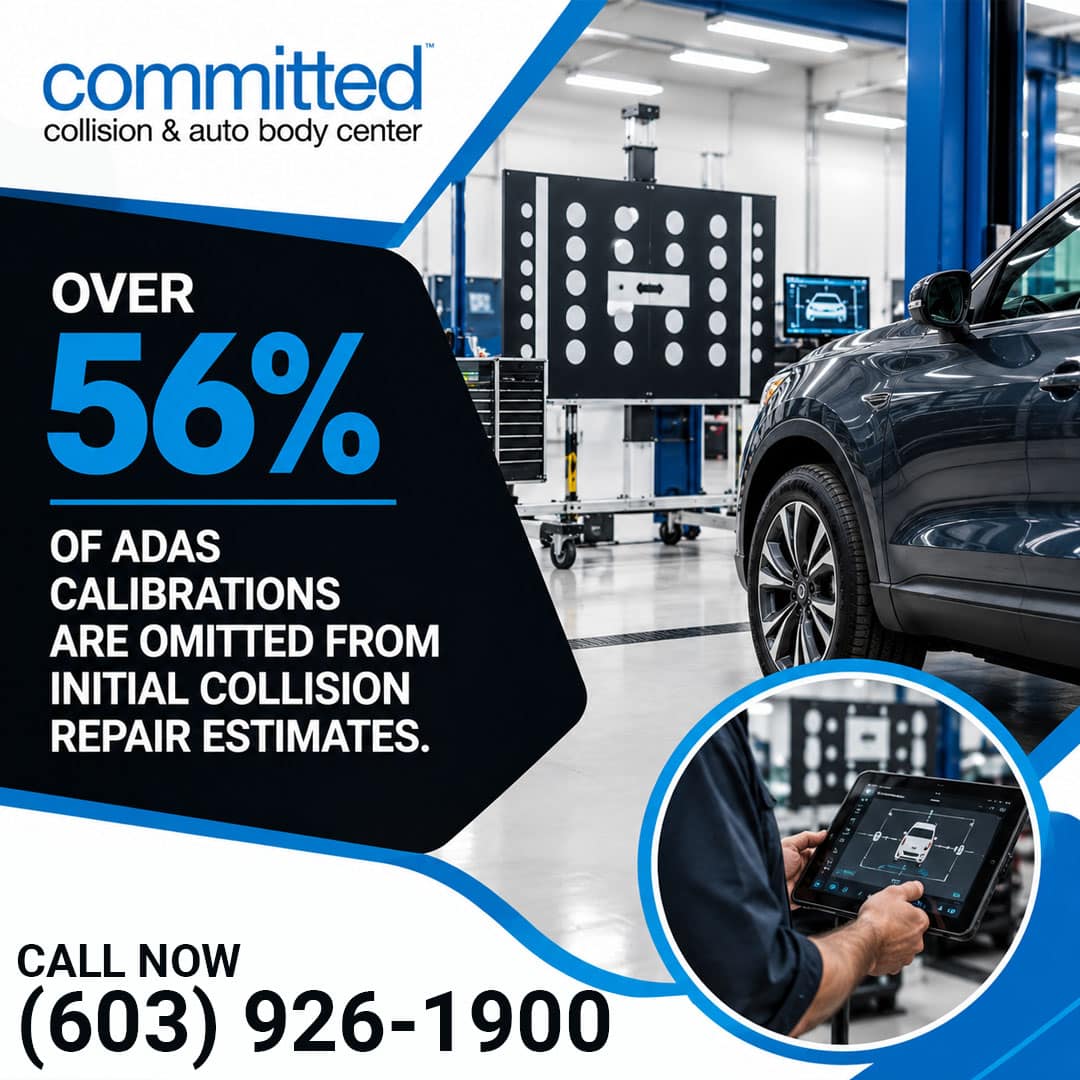
- Calibration Often Comes Later: 56.5% of Q1 2025 DRP calibrations were added as a supplement after the initial estimate, not written in upfront, according to CCC Intelligent Solutions.
What Does a Vague Parts Description on an Estimate Signal?
A vague parts description usually means the estimate hasn’t specified whether a part is OEM or aftermarket, or which brand and grade will be used. New Hampshire law requires that aftermarket parts be clearly identified on the repair estimate, not folded into a lump-sum total. All insurance-approved collision shops may not provide this level of detail either.
Why Part Details Matter
A vague description usually isn’t an oversight. It often means the aftermarket-versus-OEM decision has already been made without your input. New Hampshire’s aftermarket-parts law, RSA 407-D:4, requires insurers to disclose when an estimate includes parts not made by the original manufacturer and to clearly identify any aftermarket parts on the repair estimate. At Committed Collision & Auto Body Center, we default to OEM parts and name each part’s source directly on the estimate.
Red Flag Estimate vs. Trustworthy Estimate
Use this quick comparison before authorizing any collision repair work in North Hampton, NH.
| Factor | Red Flag Estimate | Trustworthy Estimate |
| Parts Description | Lists “aftermarket” or a brand vaguely | Clearly identifies each non-OEM part |
| Damage Assessment | Does not indicate that hidden damage may exist | Notes that disassembly could reveal additional damage |
| Frame Check | Does not show whether structural dimensions were checked | Documents measurement against applicable OEM specifications |
| Calibration | Does not address affected sensors or calibration needs | Lists calibration as a line item or flag |
What Other Warning Signs Should You Watch For?
Beyond parts and pricing, we flag hidden damage, structural measurement, calibration needs, and warranty terms directly on every estimate. Your auto collision shop missing any of these on paper is worth a follow-up question before you sign.
- No Disassembly Caveat: Ask whether the estimate accounts for hidden damage found only after disassembly, since a same-day walk-around estimate can’t see behind panels.
- No Frame or Structural Measurement Note: For any visible structural damage, ask whether the shop uses laser or computerized measuring equipment for car frame repair, such as a Chief 3D Laser Measuring System.
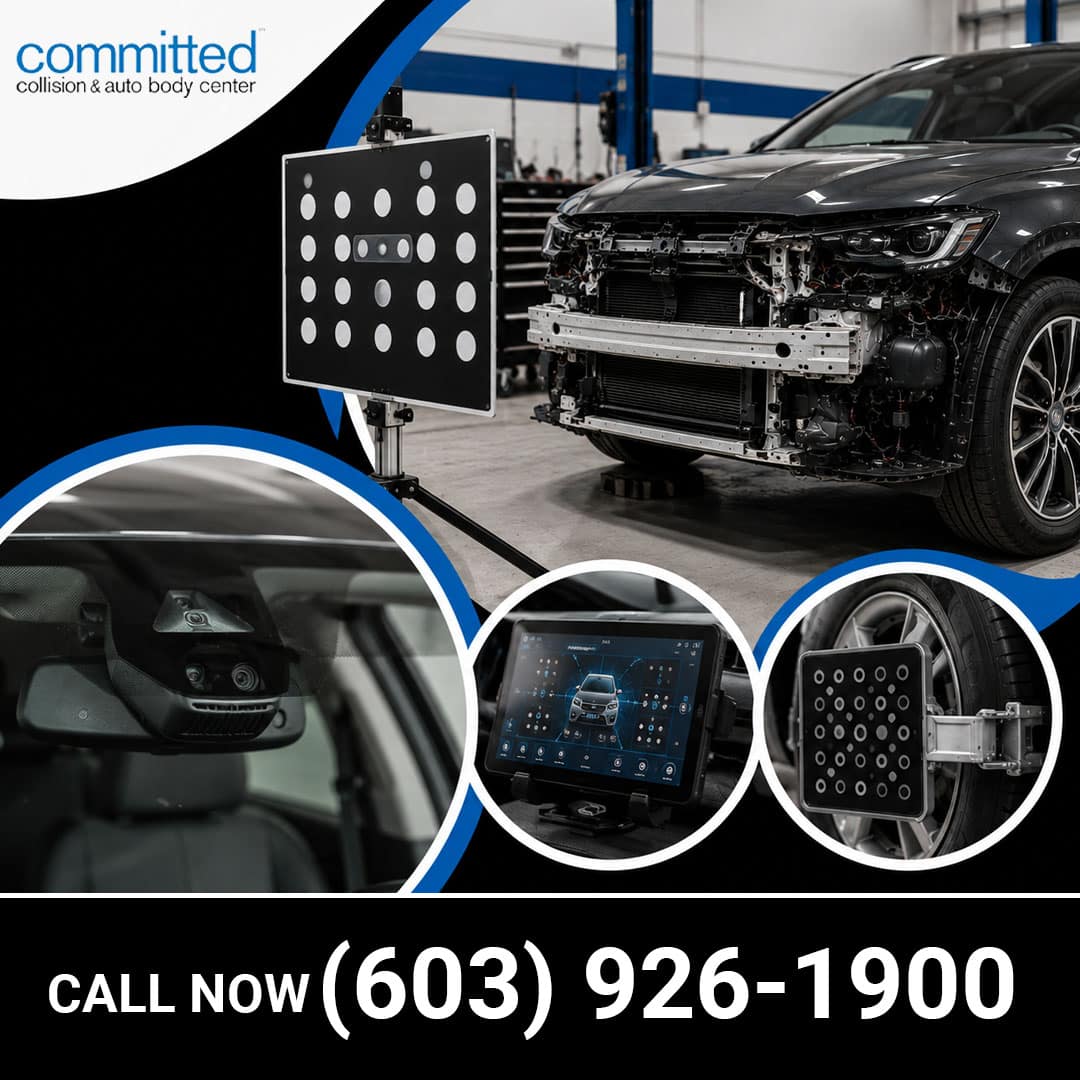
- No Calibration Line Item: Many manufacturers require ADAS recalibration after any collision. Committed Collision & Auto Body Center works closely with Automotive Alignments & Calibrations LLC to confirm this is included when needed.
- No Warranty Language: An estimate that never mentions warranty coverage leaves you without a written commitment on workmanship or parts.
Frequently Asked Questions
Should I get more than one estimate before choosing a shop?
Yes. A second estimate from another auto collision center shows whether the scope and pricing you’re seeing are typical for your vehicle’s damage. We’re always glad to provide one at Committed Collision & Auto Body Center.
Does a lower estimate mean lower quality repair?
Not necessarily, but a low estimate that skips disassembly, calibration, or parts detail is more likely to grow through supplements later. We always suggest comparing what each estimate actually includes before comparing the total.
Can my estimate change after I’ve signed off on it?
Yes, and it often does, most commonly when a calibration turns out to be required. CCC Intelligent Solutions’ Q3 2025 data found that when this happens, it usually surfaces as a supplement mid-repair, which adds review and approval time before work can continue.
Who Should Write Your Collision Repair Estimate?
Once you know what to look for, the question becomes whom you trust. A qualified auto collision center writes an estimate that names parts, discloses aftermarket use, and flags calibration and structural checks before you sign. We write every estimate at Committed Collision & Auto Body Center this way: parts named, disassembly noted, and calibration flagged when a vehicle’s manufacturer requires it. If you are comparing options for collision repair in North Hampton, NH, ask to see a sample estimate before you commit. Contact us at (603) 926-1900 or info@committedcollision.com for a free estimate for your vehicle.