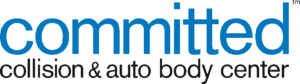
Certified collision repair should address concealed damage, structural measurements, and vehicle-specific safety-system requirements. At Committed Collision & Auto Body Center, we use diagnostic scanning, authorized disassembly, and manufacturer repair information to develop the repair plan. A smooth finish alone cannot show whether those checks were completed.
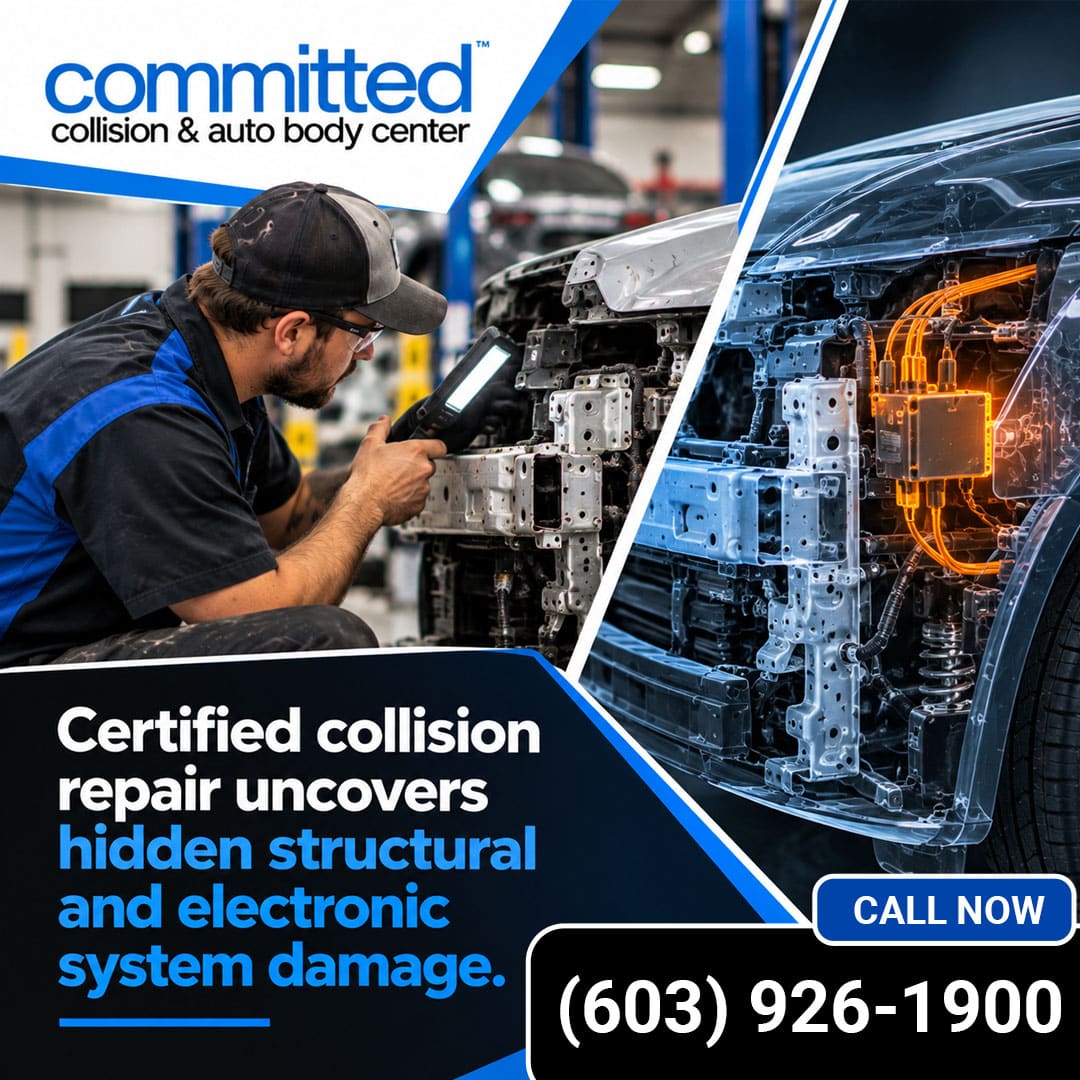
Key Takeaways:
- Check beneath panels: Exterior damage may conceal affected components.
- Separate procedures: Diagnostic scanning and calibration serve different purposes.
- Request documentation: Ask how each proposed repair relates to your vehicle’s damage.
What Does Certification Tell You About a Repair Shop?
Certification identifies particular training or program requirements; the credential’s scope matters. We recommend asking what recognition the shop holds and whether additional vehicle-specific qualifications apply. Certified collision repair is a starting point for evaluating a shop, rather than proof of every manufacturer’s approval.
I-CAR’s Gold Class standards require role-specific education and ongoing professional development. Gold Class is a business-level training recognition from I-CAR; not itself a manufacturer certification, though some OEM certification programs require it. We hold I-CAR Gold Class recognition and provide ongoing training for our technicians.
What Can Exterior Panels Hide After a Collision?
A damaged exterior panel can conceal affected components and attachment points. At Committed Collision & Auto Body Center, our repair assessment progresses from a visual estimate to authorized disassembly and further damage analysis. We explain additional findings as the repair plan develops.
A bumper cover, for example, can hide damage beneath the plastic shell. Replacing or refinishing the cover does not address every component behind the cover.
How Do Structural Measurements Guide Repairs?
Structural measurements help us evaluate the vehicle’s dimensions against applicable specifications. Car frame repair decisions must also follow manufacturer instructions on permitted straightening or replacement methods. Panel appearance alone cannot establish structural condition.
Why Are Scanning and Calibration Separate Checks?
Diagnostic scanning identifies stored fault information, while calibration establishes required settings or aiming for applicable systems. We evaluate both requirements for equipped vehicles. A completed scan does not establish that cameras or radar have received any required calibration.
I-CAR’s scanning and calibration guidance explains that the procedures are different. I-CAR also notes that sensors or modules may not recognize replacement or communicate a calibration requirement. Manufacturer procedures therefore matter alongside scan results.
Who Performs Required ADAS Calibration?
Committed Collision & Auto Body Center works closely with Automotive Alignments & Calibrations LLC for required advanced driver assistance system (ADAS) calibration. We coordinate these requirements within the collision repair process.
What Evidence Should You Request Before Approving Repairs?
Ask for findings and procedures that explain the proposed work. We recommend comparing repair scope rather than relying on the total price or finished appearance. Our auto collision center provides a repair plan covering procedures, parts, estimated costs, and an expected timeline.
| Question | Limited information | More useful evidence |
| What damage was found? | Exterior photographs alone | Findings from applicable disassembly and measurements |
| What electronic work is needed? | Scan completed | Scan findings and separate calibration requirements |
| What happens before delivery? | Paint looks finished | Documented checks of repaired components and systems |
Before approving certified collision repair, ask these questions:
- Damage findings: What damage did you find, and why does each recommended repair need to be done?
- Repair procedures: Which manufacturer repair instructions apply to my vehicle?
- Final checks: What inspections and tests will you perform before returning my vehicle?
An insurance-approved collision shop designation does not identify every repair qualification. We communicate with major insurers, but your policy determines coverage.
Frequently Asked Questions
Do you prioritize OEM parts?
We prioritize original equipment manufacturer (OEM) parts. If alternatives are considered, we discuss the options with you.
What warranty do you offer on collision repairs?
We provide a limited lifetime warranty on workmanship, paint, and part performance for as long as you own the vehicle. Ask us about the warranty’s terms and limitations.
When will I receive an estimated repair timeline?
We provide an estimated timeline after completing the repair plan. Parts availability, insurance approvals, and additional repair needs can affect completion. We keep you informed when the timeline changes.
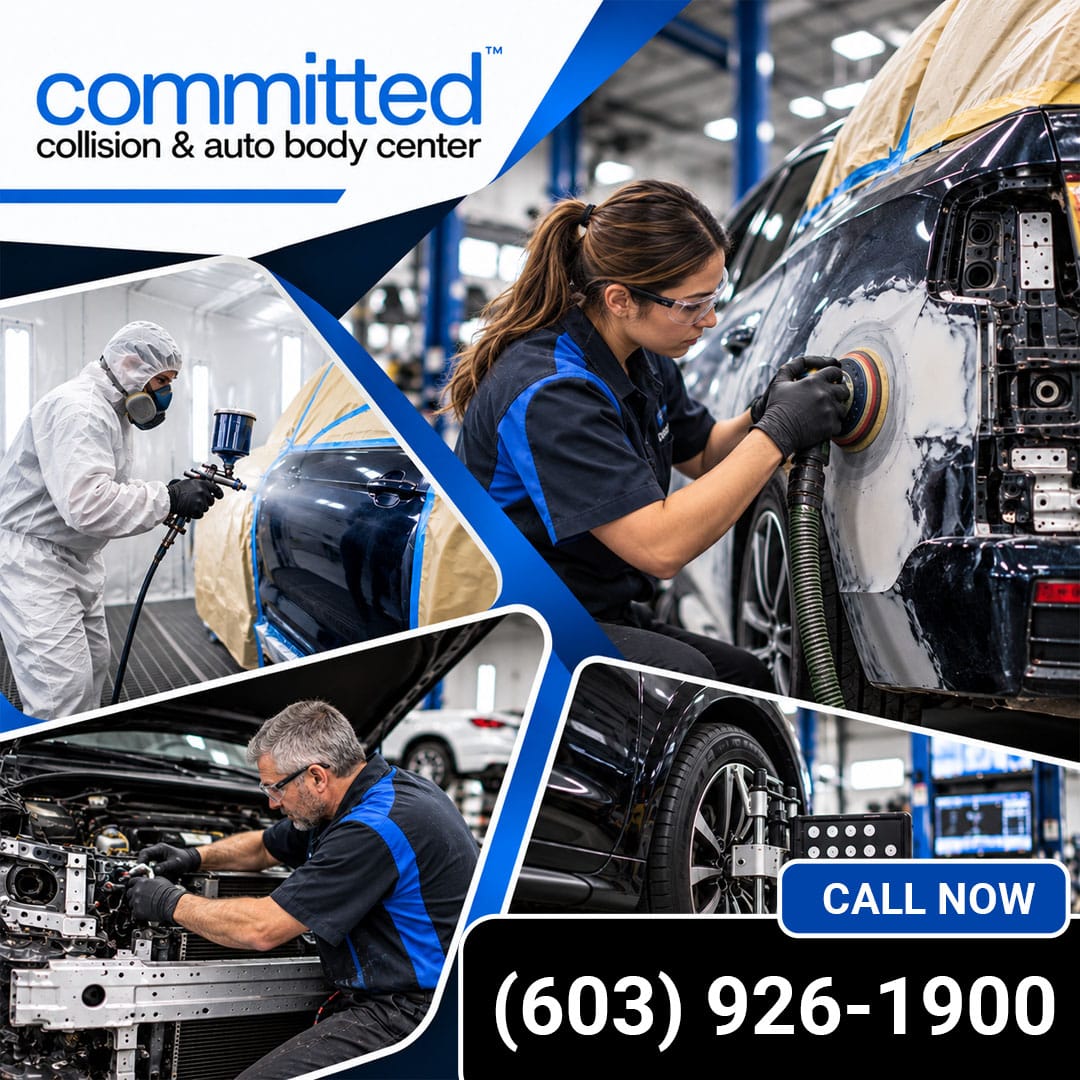
How Can You Discuss Your Vehicle’s Repair Needs?
Contact Committed Collision & Auto Body Center at (603) 926-1900 or info@committedcollision.com to discuss certified collision repair in North Hampton, NH.
Our team of dedicated and skilled technicians provides precise repairs for the latest models of vehicles with advanced features. We help you with all of your auto body, collision, and mechanical repair needs.